Understanding the Physical Symptoms of Anxiety and How to Cope
Anxiety often feels like a mental struggle, but many people notice it affects their body in very real ways. When anxiety turns physical, it can be confusing and frightening. Why does anxiety feel physical now? This question is common, and understanding the connection between anxiety and the body can help you manage symptoms more effectively.

Why Anxiety Feels Physical
Anxiety triggers the body's natural stress response, often called the "fight or flight" reaction. This response prepares you to face danger by releasing stress hormones like adrenaline and cortisol. These hormones cause physical changes such as increased heart rate, rapid breathing, muscle tension, and sweating. Even when there is no real threat, your body reacts as if there is one.
This reaction explains why anxiety feels physical. Your brain signals your body to prepare for action, but without a clear danger, the physical symptoms can feel overwhelming and confusing.
Common Physical Symptoms of Anxiety
People experience anxiety in different ways, but some physical symptoms are very common:
Rapid heartbeat or palpitations
Shortness of breath or hyperventilation
Muscle tension or tightness
Sweating or chills
Dizziness or lightheadedness
Stomach discomfort, nausea, or digestive issues
Trembling or shaking
Headaches or migraines
These symptoms can mimic other health problems, which sometimes leads to medical tests or worry. Knowing these signs are linked to anxiety can reduce fear and help you focus on coping strategies.
How Anxiety Affects the Nervous System
The nervous system plays a key role in how anxiety feels physical. When anxious, the sympathetic nervous system activates, speeding up your heart and breathing. Meanwhile, the parasympathetic nervous system, which calms the body, slows down. This imbalance causes the physical sensations of anxiety.
Over time, chronic anxiety can keep your nervous system in a heightened state, making physical symptoms more frequent or intense. This is why some people feel anxiety physically even when they are not consciously worried.
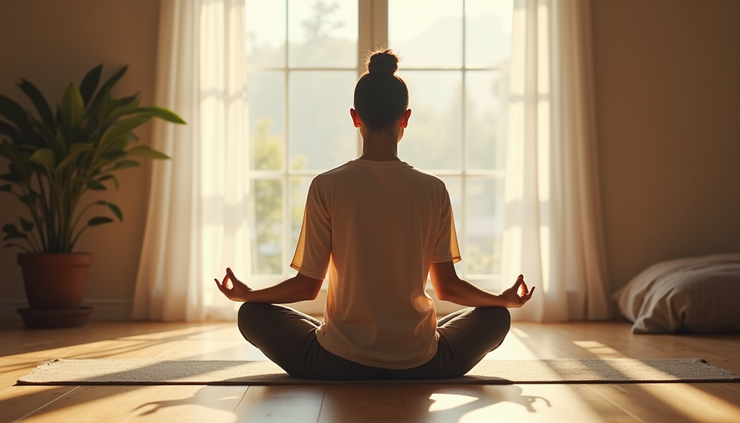
Practical Ways to Cope with Physical Anxiety Symptoms
Managing physical symptoms of anxiety involves calming the nervous system and reducing stress. Here are some effective strategies:
1. Practice Deep Breathing
Deep breathing slows your heart rate and helps balance your nervous system. Try this simple exercise:
Breathe in slowly through your nose for 4 seconds
Hold your breath for 4 seconds
Exhale slowly through your mouth for 6 seconds
Repeat for several minutes until you feel calmer
2. Use Progressive Muscle Relaxation
This technique involves tensing and then relaxing different muscle groups. It helps release muscle tension caused by anxiety.
Start with your feet and work your way up
Tense each muscle group for 5 seconds, then relax for 10 seconds
Notice the difference between tension and relaxation
3. Stay Active
Regular physical activity reduces anxiety by releasing endorphins, natural mood boosters. Even a short walk can ease physical symptoms.
4. Maintain a Healthy Lifestyle
Good sleep, balanced nutrition, and limiting caffeine or alcohol can reduce anxiety’s physical impact.
5. Grounding Techniques
When anxiety feels overwhelming, grounding helps bring your focus back to the present moment. For example:
Name five things you can see
Touch four objects around you
Listen for three different sounds
These simple actions interrupt anxious thoughts and reduce physical symptoms.
When to Seek Professional Help
If physical symptoms of anxiety interfere with daily life or cause severe distress, it is important to seek help from a healthcare professional. Therapies like cognitive-behavioural therapy (CBT) and medications can reduce anxiety and its physical effects.
Remember, a doctor can help rule out other causes and guide you toward the right treatment.

Final Thoughts on Physical Anxiety Symptoms
Anxiety often feels physical because your body reacts to stress with real changes. Understanding this connection helps reduce fear and empowers you to manage symptoms. Using deep breathing, muscle relaxation, physical activity, and grounding techniques can ease the physical sensations of anxiety.


Comments